Portable Power, Anywhere You Go
Discover how portable power stations and battery generators can keep your essential devices running at home, on the road, or outdoors. Learn how to choose the right capacity, output, and features for your needs.
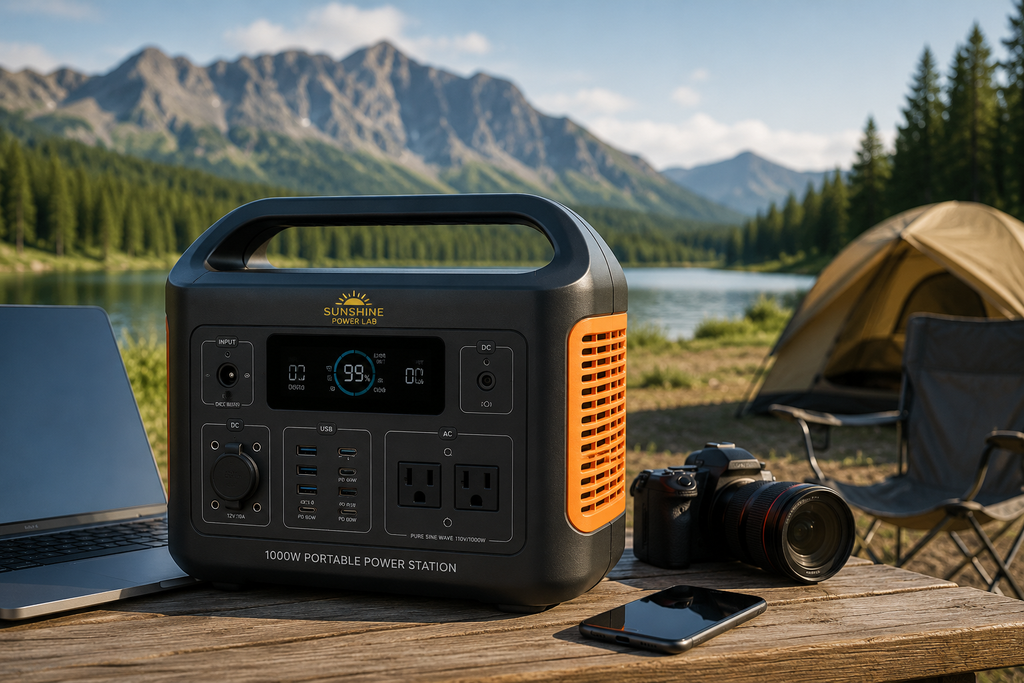
What Is Portable Power?
Portable power stations are rechargeable battery systems that provide electricity wherever you need it. Unlike traditional fuel generators, they operate quietly and produce no exhaust during use. They can power phones, laptops, lights, small appliances, camping equipment, and many other devices.
The right portable power station depends on what you want to run, how long you need it to operate, and whether you need features such as solar charging, fast charging, or multiple AC and USB outputs.
Small & Lightweight
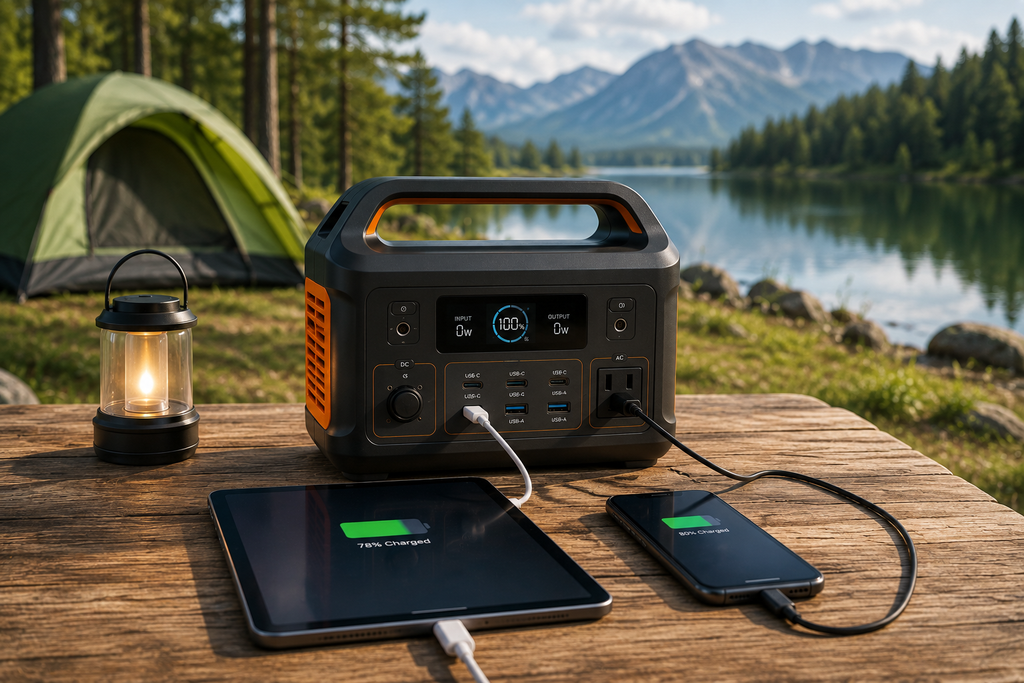
Easy to carry and simple to use. Ideal for phones, tablets, lights, cameras, and other small devices while camping, traveling, or enjoying the outdoors.
Everyday Portable Power
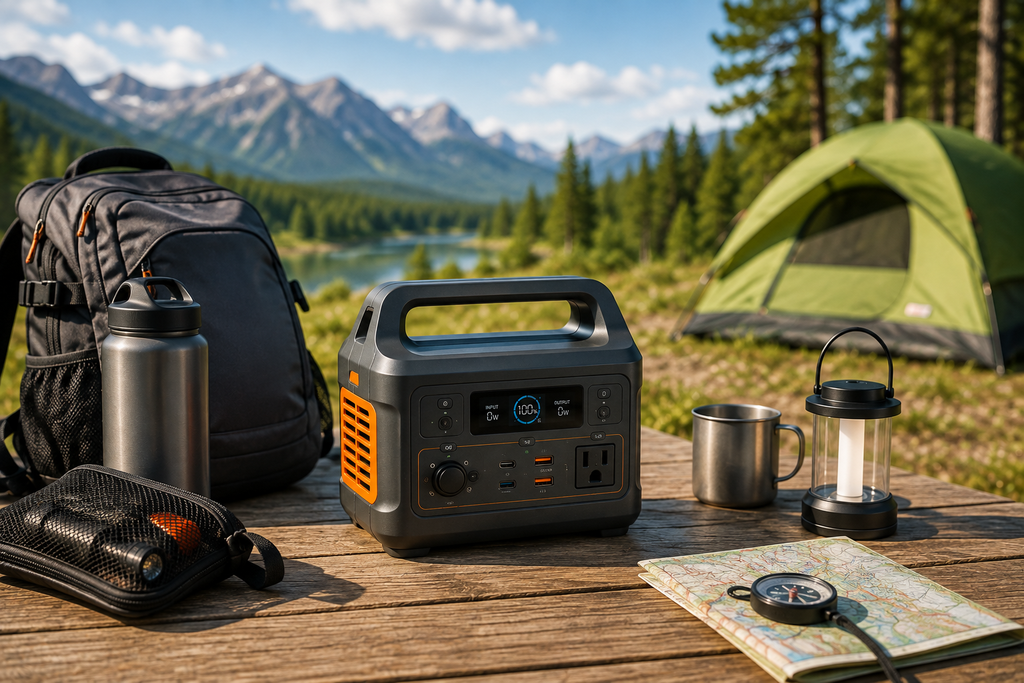
A versatile power solution for everyday electronics. Keep phones, laptops, lights, and essential devices running wherever you need reliable power.
High-Capacity Power
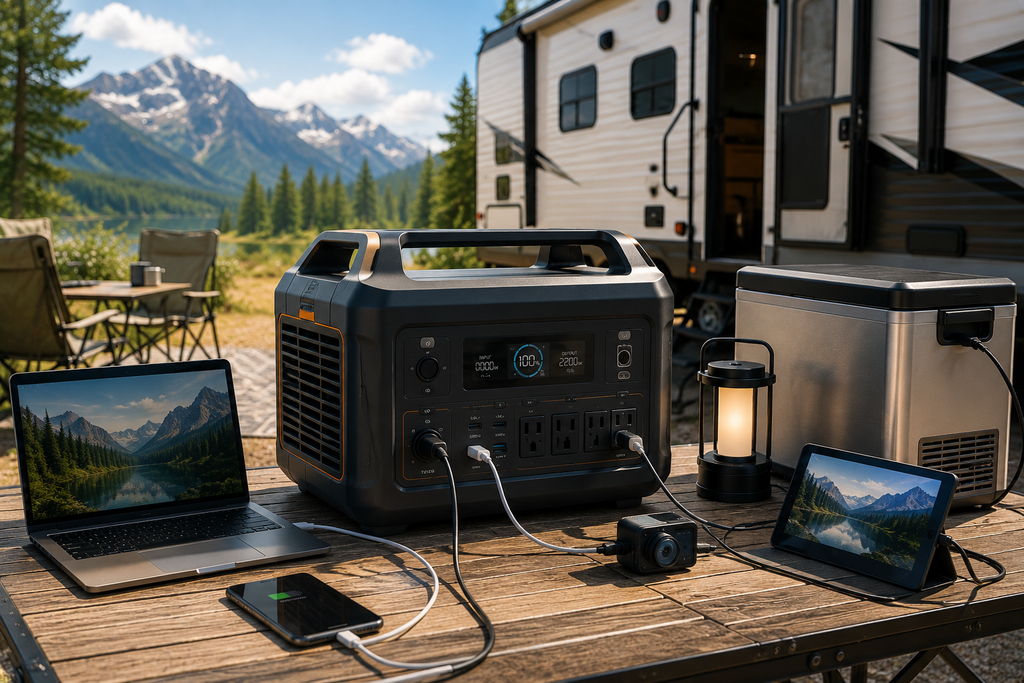
Built for bigger energy needs. Power multiple devices, appliances, and camping equipment for longer periods with a high-capacity portable power station.
What Is Portable Power?
Portable power stations are rechargeable battery systems that provide electricity wherever you need it. Unlike fuel generators, they operate quietly and produce no exhaust during use. They can power phones, laptops, lights, small appliances, camping equipment, and many other devices.
The right portable power station depends on what you want to run, how long you need it to operate, and whether you need features such as solar charging, fast charging, or multiple AC and USB outputs.
How to Choose the Right Portable Power Station
1. List What You Need to Power
Phone, laptop, lights, refrigerator, TV, CPAP, etc.
2. Check the Power Requirement
Understand watts (W) and how much power each device uses.
3. Estimate Runtime
Learn how battery capacity in watt-hours (Wh) relates to how long your devices can run.
4. Choose the Right Capacity
Small, medium, or high-capacity based on your actual needs.
Power Station Size Guide
| Battery Capacity | Best For | Typical Devices |
|---|---|---|
| 200–500 Wh | Small essentials | Phones, tablets, cameras, lights |
| 500–1,000 Wh | Everyday backup | Laptops, TVs, Wi-Fi routers, small appliances |
| 1,000–2,000 Wh | Larger backup needs | Refrigerators, larger electronics, multiple devices |
| 2,000+ Wh | Extended backup | Multiple appliances, camping setups, emergency backup |
Battery capacity is measured in watt-hours (Wh). A higher Wh rating generally means more stored energy and longer runtime, but actual runtime depends on the power consumption of the devices you connect.
Watts vs. Watt-Hours
Watts (W) measure how much power a device needs to operate. Watt-hours (Wh) measure how much energy a portable power station can store. Understanding both helps you choose a power station that can run your devices safely and for the required amount of time.
Watts (W)
Think of watts as the power required right now. A 100 W laptop needs about 100 watts while operating. Devices with motors or heating elements may require much more power when starting or running.
Watt-Hours (Wh)
Think of watt-hours as the amount of energy stored in the battery. A 1,000 Wh power station has more stored energy than a 500 Wh model, so it can generally provide power for longer.
Quick Example
1,000 Wh ÷ 100 W ≈ 10 hours
A 1,000 Wh power station could theoretically run a 100 W device for about 10 hours. Actual runtime will be lower because of conversion losses and other factors.
Portable Power Station Features That Matter
When comparing portable power stations, look beyond battery capacity. Output wattage, charging speed, solar input, battery chemistry, ports, and portability can make a big difference in how useful a power station is for camping, travel, home backup, or everyday use.
1 – Solar Charging
Solar charging lets you recharge a portable power station using compatible solar panels. It’s especially useful for camping, off-grid use, and emergency backup when access to a wall outlet is limited. Check the station’s solar input wattage and supported voltage range before choosing a panel.
2 – Battery Chemistry
Battery chemistry affects a power station’s lifespan, weight, safety, and overall performance. Many newer portable power stations use LiFePO4 batteries because they can offer a longer cycle life and good thermal stability compared with older lithium-ion chemistries.
3 – Ports & Outlets
Check which connections you actually need, including AC outlets, USB-A, USB-C, DC outputs, and car-style sockets. A power station with multiple output options can make it easier to charge phones, laptops, cameras, lights, and other equipment at the same time.
4 – Charging Speed
Charging speed determines how quickly the power station can be ready for use again. Look at both wall-charging and solar-charging times, especially if you plan to use the station frequently or rely on it during an emergency.
How Long Will a Portable Power Station Run?
A portable power station’s runtime depends on its battery capacity, the power consumption of your devices, and energy losses during power conversion. A higher Wh capacity generally provides longer runtime, but the actual operating time varies depending on the load and how the power station is used.
| Device | Typical Power Use | Estimated Runtime from a 1,000Wh Station |
|---|---|---|
| Smartphone | 5–15 W | 55–170 hours |
| Laptop | 50–100 W | 8–17 hours |
| LED Light | 10–20 W | 42–85 hours |
| Wi-Fi Router | 10–20 W | 42–85 hours |
| Small TV | 60–120 W | 7–14 hours |
| Mini Refrigerator | 60–100 W average | 8–14 hours |
*Approximate values: actual runtime varies with device consumption, inverter efficiency, cycling, temperature, and other factors.
How to Choose the Right Portable Power Station
Choosing the right portable power station starts with understanding what you need to power, how much power those devices require, and how long you need them to run. Capacity, output wattage, charging options, battery chemistry, and portability all affect which model is the best fit.
1. Consider Battery Capacity
Choose a capacity based on the devices you want to run and how long you need backup power. Smaller stations are convenient for phones and small electronics, while larger capacities are better suited to longer backup periods and multiple devices.
2. Check the Output Wattage
Make sure the power station can handle the combined wattage of the devices you plan to use. Appliances with motors, compressors, or heating elements may also require higher startup power.
3. Look at Charging Options
Consider how you will recharge the station. Wall charging is usually the fastest option, while solar charging can be useful for camping, RV trips, and off-grid situations.
4. Choose the Right Battery Chemistry
LiFePO4 batteries are popular in newer portable power stations because they generally offer long cycle life, good thermal stability, and a long service life.
5. Balance Capacity and Portability
A larger battery provides more stored energy but usually means greater weight and size. Choose the smallest capacity that comfortably meets your actual power needs.
Best Portable Power Stations for Different Needs
The best portable power station depends on how you plan to use it. A compact model may be ideal for charging phones and laptops, while a larger power station can handle multiple devices, camping equipment, and home backup needs. Below, we highlight options for different power requirements and budgets.
Best for Camping & Travel
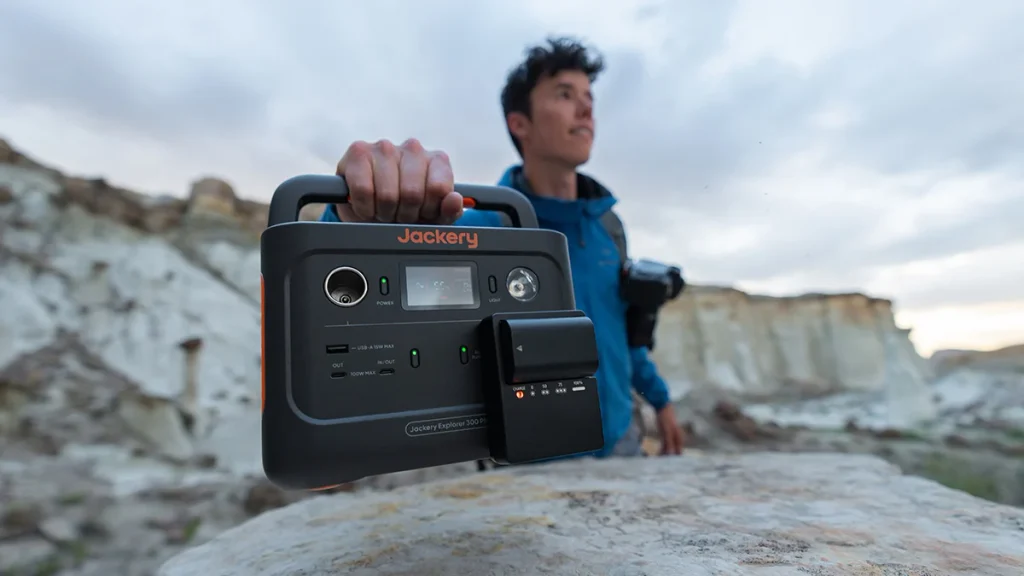
Jackery Explorer 300 Plus
A lightweight and compact power station designed for camping, road trips, travel, and everyday charging. With a 288Wh LiFePO₄ battery and 300W output, it is well suited to phones, cameras, laptops, lights, and other small electronics.
Specs
288Wh | 300W | LiFePO₄ | ~8.3 lb
Best for
Camping • Travel • Cameras • Phones • Small Electronics
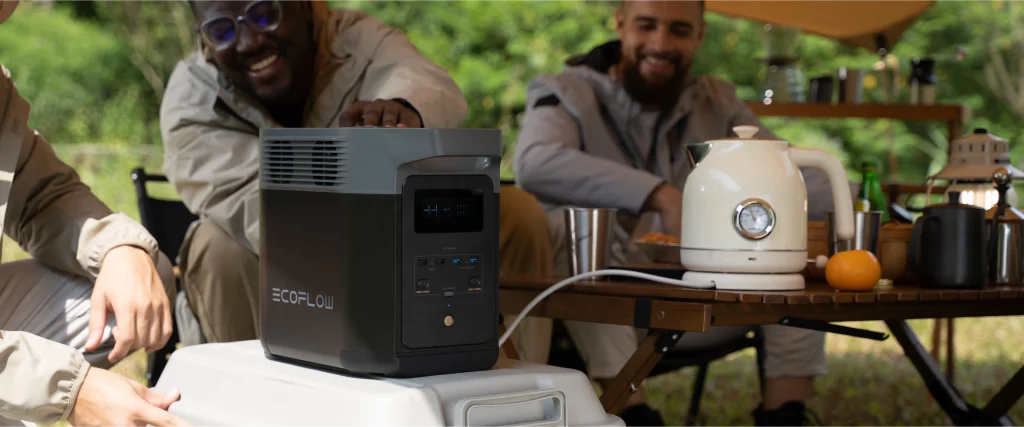
Best for Fast Charging & Expandability
EcoFlow DELTA 2
A versatile portable power station with fast AC charging, a 1,024Wh battery, and expandable capacity. It is a strong choice for users who want quick recharge times today and the option to add more battery capacity later for longer backup power.
Specs
1,024Wh | 1,800W AC Output | LiFePO₄ | Expandable to 3,040Wh
Best for
Fast Charging • Home Backup • Camping • RV • Expandable Power
Best Overall
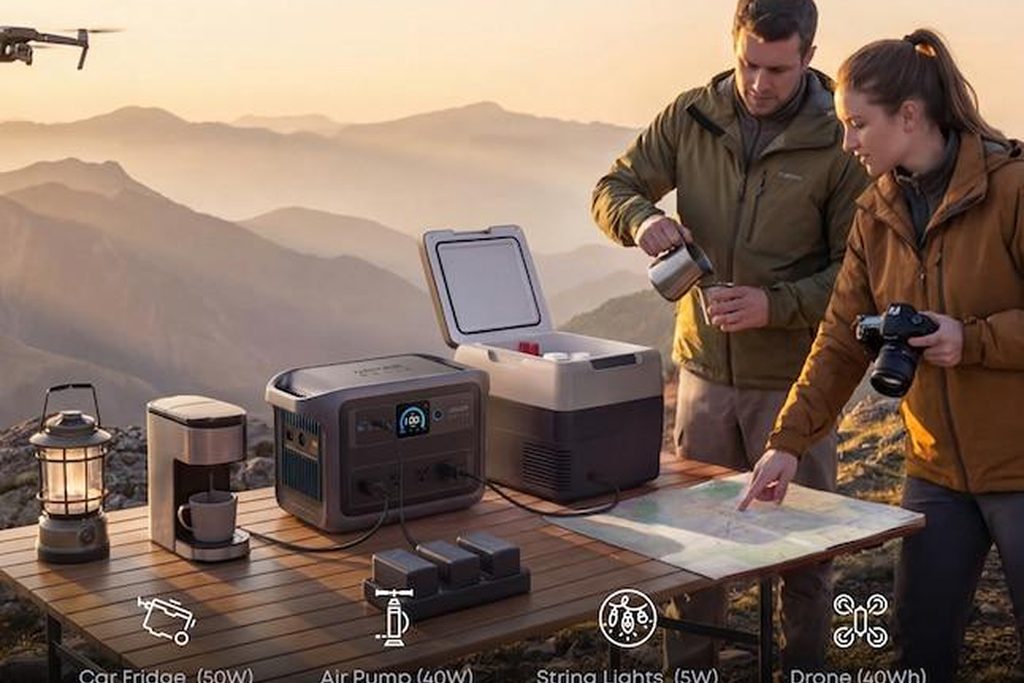
Anker SOLIX C1000 Gen 2
A powerful and versatile portable power station for home backup, camping, RV use, and everyday power needs. Its large battery capacity and strong AC output make it suitable for running multiple devices and essential appliances when you need reliable portable electricity.
Specs
1,024Wh | 2,000W AC Output | LiFePO₄ | Expandable
Best for
Home Backup • Camping • RV • Multiple Devices

Best for Home Backup
EcoFlow DELTA Pro 3
A high-capacity portable power station designed for serious home backup and larger power needs. With 4,096Wh of battery capacity, 4,000W of continuous AC output, and 120V/240V support, it can power essential appliances during outages while also working well for RVs, off-grid use, and demanding outdoor applications.
Specs
4,096Wh | 4,000W AC Output | LFP Battery | 120V/240V | Expandable
Best for
Home Backup • Power Outages • RV • Off-Grid Power • Large Appliances